




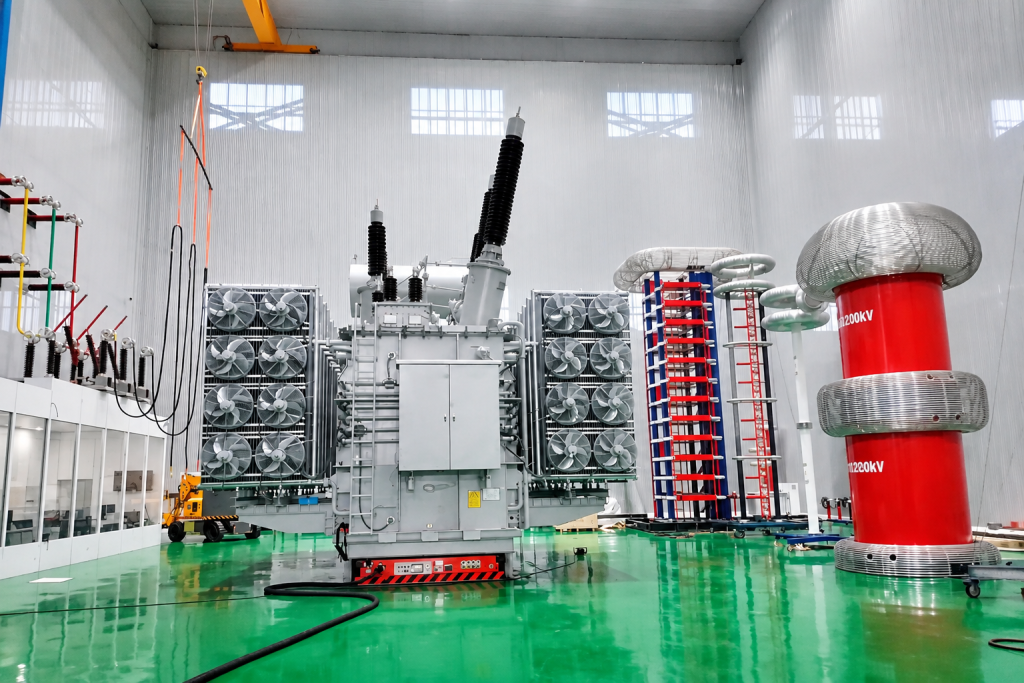
Introduction: Why Factory Acceptance Testing Matters
Acquisto di un trasformatore di potenza is a major investment for utilities, industrial facilities, renewable energy developers, and EPC contractors. Before a transformer leaves the manufacturing facility, buyers need to verify that its design, manufacturing quality, and electrical performance comply with the approved technical specifications.
This is where the Factory Acceptance Test (FAT) becomes essential.
A Transformer Factory Acceptance Test is a series of inspections and tests conducted at the manufacturer’s facility before shipment. It helps confirm that the finished transformer meets the agreed technical requirements, applicable standards, and contractual obligations.
For international buyers sourcing transformers from overseas manufacturers, FAT is particularly important because it provides an opportunity to review product quality and documentation before the equipment is shipped.
This guide explains transformer FAT procedures, common electrical tests, inspection requirements, documentation, and what buyers should prepare before attending a factory acceptance test.
1. What Is a Transformer Factory Acceptance Test (FAT)?
A Factory Acceptance Test (FAT) is a formal inspection and testing process performed on a completed transformer before delivery.
Its primary purpose is to verify that the manufactured equipment conforms to the approved drawings, technical specifications, purchase order, and applicable standards.
Depending on the transformer type and project requirements, FAT may include:
Visual and dimensional inspection
Verification of nameplate data
Misura della resistenza di avvolgimento
Verifica del rapporto di tensione e del gruppo di vettori
Impedance voltage and load loss measurement
No-load loss and excitation current measurement
Insulation-related tests
Test dielettrici
Functional checks of accessories and protection devices
Review of test reports and manufacturing records
The exact FAT scope should be agreed upon by the buyer and manufacturer before production or testing.
For power transformers designed according to IEC requirements, IEC 60076 is an important reference. Other projects may specify IEEE, ANSI, CSA, or national standards.
2. Transformer FAT: Routine Tests, Type Tests and Special Tests
Not all transformer tests have the same purpose or frequency.
Understanding the differences helps buyers establish a suitable inspection plan.
2.1 Routine Tests
Routine tests are generally performed on each individual transformer to verify its basic electrical characteristics and manufacturing quality.
Common routine tests include:
Winding Resistance Measurement
This test measures the resistance of transformer windings. It helps identify possible connection problems, manufacturing defects, or inconsistencies between phases.
Voltage Ratio Measurement
The voltage ratio is checked across the transformer windings and relevant tap positions to confirm that the transformer provides the specified voltage transformation.
Polarity and Vector Group Verification
For three-phase transformers, the vector group is verified to confirm the intended phase displacement and winding connections.
This is particularly important for projects where transformers may operate in parallel.
Impedance Voltage and Load Loss Measurement
These measurements verify the transformer’s impedance and load losses against the approved design values.
Impedance is important because it influences short-circuit current and load sharing between parallel transformers.
No-Load Loss and Excitation Current Measurement
These tests evaluate the transformer’s core-related losses and excitation characteristics under specified test conditions.
They are also relevant to the evaluation of transformer operating efficiency.
2.2 Type Tests
Type tests are performed on representative transformer designs to demonstrate that the design meets specified performance requirements.
Depending on the design and applicable standard, type tests may include:
Temperature-rise tests
Dielectric type tests
Verifica della resistenza al cortocircuito
Buyers should confirm whether existing type-test reports are applicable to the proposed transformer design, rating, insulation level, and construction.
2.3 Special Tests
Special tests are additional tests agreed upon between the manufacturer and purchaser.
Depending on project requirements, they may include:
Misura della scarica parziale
Capacitance and dissipation factor measurement
Zero-sequence impedance measurement
Misura del livello sonoro
Frequency response analysis
Special dielectric tests
Not every project requires every special test. The FAT specification should clearly identify which tests are mandatory.
3. What Should Buyers Inspect During Transformer FAT?
Electrical testing is only one part of the factory acceptance process.
A complete inspection should also cover the physical construction and configuration of the transformer.
3.1 Nameplate Verification
Check that the nameplate matches the approved technical specification.
Important information includes:
Rated power (kVA or MVA)
Primary and secondary voltage
Number of phases
Frequenza
Vector group
Tensione di impedenza
Metodo di raffreddamento
Rated current
Insulation levels
Norme applicabili
Manufacturer information
Any discrepancies should be resolved before shipment.
3.2 Mechanical and Visual Inspection
Buyers should inspect the overall construction and workmanship, including:
Main tank and cover
Radiators and cooling equipment
Bushings and terminals
Conservator, where applicable
Cable boxes and connection arrangements
Earthing terminals
Pressure relief devices
Temperature indicators
Indicatori di livello dell'olio
Paint finish and corrosion protection
For outdoor transformers, weather protection, enclosure condition, and surface finishing should also be reviewed.
3.3 Accessories and Protection Devices
Verify that the supplied accessories match the approved drawings and purchase order.
Depending on the transformer design, these may include:
Staffetta Buchholz
Dispositivo di scarico della pressione
Oil temperature indicator
Winding temperature indicator
Indicatore del livello dell'olio
Cooling fans and pumps
Tap changer and operating mechanism
Functional checks should be performed where applicable.
4. IEC 60076 vs. IEEE/ANSI: Which Standards Should FAT Follow?
The applicable test standards depend on the destination market, project specifications, and contractual requirements.
IEC 60076 is widely used for power transformers in international projects.
In North America, IEEE and ANSI requirements may apply, depending on the equipment category and project specification.
For buyers, the important point is not simply choosing a recognized standard. It is ensuring that the manufacturer and purchaser agree on the exact standard editions, applicable test clauses, acceptance criteria, and documentation requirements.
For example, an international EPC project may require IEC 60076 testing while also specifying additional project-specific inspection procedures.
A clear technical agreement helps avoid misunderstandings during FAT.
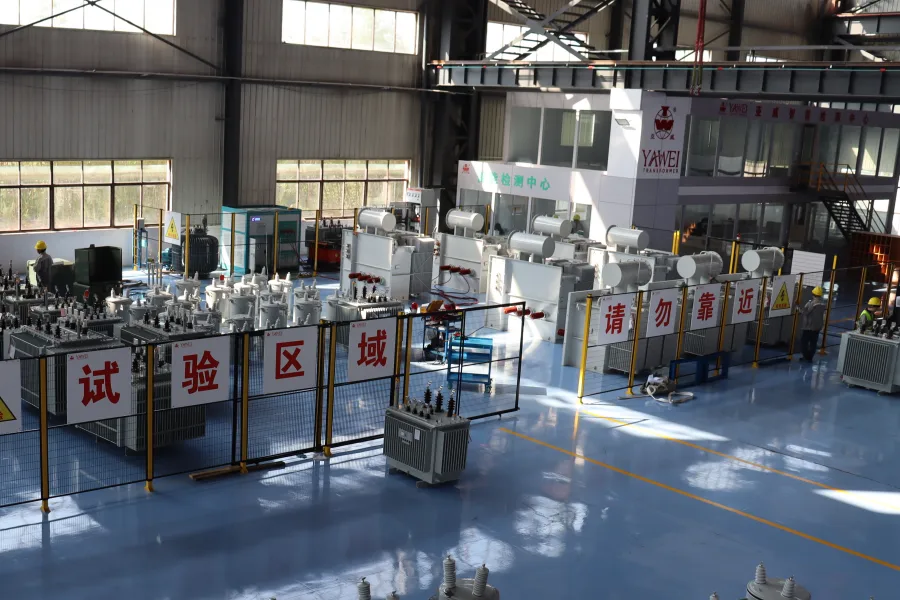
5. What Documents Should Buyers Receive Before Shipment?
A properly documented FAT is important for project approval, quality records, and future maintenance.
Buyers should establish a document list before testing begins.
Typical documents include:
Approved transformer general arrangement drawings.
Approved electrical schematic and wiring diagrams.
Transformer nameplate information.
Routine test reports.
Applicable type-test or special-test reports.
Material and component documentation, where required.
Quality inspection records.
FAT inspection records and signed acceptance documents.
Packing and shipping documentation.
Additional documents may be required by utilities, EPC contractors, or local authorities.
For overseas projects, document language, format, approval procedures, and submission deadlines should also be agreed upon.
6. Should Buyers Attend the Factory Acceptance Test?
For large power transformers, high-voltage equipment, and critical infrastructure projects, buyers may choose to attend FAT in person.
Alternatively, an independent third-party inspection company can be appointed.
A buyer’s FAT representative may include:
Ingegneri elettrici
Quality assurance inspectors
EPC project managers
Procurement representatives
Third-party inspection personnel
Before the inspection, the manufacturer and purchaser should agree on:
FAT date and testing schedule
Approved inspection and test plan (ITP)
Required test procedures
Witness points and hold points
Acceptance criteria
Document submission requirements
Procedure for handling nonconformities
It is important to distinguish between a witnessed test and a test that must be formally approved before proceeding.
The inspection arrangement should be documented in the purchase contract or approved ITP.
7. Common FAT Mistakes Buyers Should Avoid
Several issues can cause delays, additional costs, or disputes during transformer acceptance.
Mistake 1: Not Confirming the Test Scope Before Production
Buyers should define routine, type, and special testing requirements before manufacturing is completed.
Mistake 2: Using Unapproved Technical Specifications
FAT should be based on the latest approved drawings and technical documents, not outdated inquiry documents.
Mistake 3: Ignoring Nameplate and Accessory Details
A transformer may pass its electrical tests but still have discrepancies in accessories, terminals, protection devices, or mechanical arrangements.
Mistake 4: Requesting Additional Tests at the Last Minute
Special testing may require additional preparation, equipment, time, and cost.
Mistake 5: Treating FAT Approval as a Substitute for All Quality Controls
Factory acceptance testing is an important quality checkpoint, but it does not replace design verification, material inspection, manufacturing process control, or proper installation and commissioning.
8. How Yawei Transformer Supports Factory Testing and Quality Inspection
Yawei Transformer provides customized power and distribution transformer solutions for utility, industrial, commercial, renewable energy, and infrastructure applications.
Our product range covers trasformatori di distribuzione, trasformatori a secco, oil-immersed power transformers, trasformatori su palo, trasformatori montati su piastra, and high-voltage power transformers.
For international projects, technical requirements and inspection arrangements are reviewed according to the approved specifications and applicable standards.
Depending on the transformer design and project scope, the manufacturing and inspection process can include:
Technical specification review
Approved drawing confirmation
Manufacturing quality inspections
Electrical testing
Test report preparation
Customer inspection coordination
Pre-shipment inspection and documentation
For large power transformer projects, early agreement on the inspection and test plan helps coordinate production, testing, customer approval, and shipment.
9. Frequently Asked Questions About Transformer FAT
Q1. Is FAT mandatory for every power transformer?
Routine testing is generally required under applicable transformer standards. However, the scope and formal witnessing arrangements of FAT depend on the contract, project specifications, and purchaser requirements.
Q2. What is the difference between FAT and SAT?
FAT (Factory Acceptance Test) is conducted at the manufacturer’s factory before shipment.
SAT (Site Acceptance Test) is performed after the equipment arrives at the installation site to verify its condition and readiness for commissioning.
Q3. How long does transformer FAT take?
The duration depends on transformer capacity, voltage class, test scope, inspection arrangements, and whether special tests are required. Buyers should request a proposed testing schedule from the manufacturer.
Q4. Can buyers appoint a third-party inspection company?
Yes. Buyers may appoint an independent inspection company to witness tests, review documentation, and verify compliance with agreed inspection requirements.
Q5. What happens if a transformer fails a FAT test?
The manufacturer should investigate the nonconformity, determine its cause, implement corrective action, and repeat the relevant inspection or test as required by the approved quality procedures and contract.
Conclusion: Make Transformer FAT Part of Your Procurement Strategy
A well-planned Factory Acceptance Test helps buyers verify transformer performance, manufacturing quality, and compliance before shipment.
For utilities, EPC contractors, and industrial buyers, the key is to define the test scope early, approve the technical documents, establish clear acceptance criteria, and ensure that all required reports are available before delivery.
If you are planning a power transformer project, Trasformatore Yawei can support your technical review and provide customized transformer solutions based on your project requirements.
Contact Yawei Transformer to discuss your project, technical specifications, FAT requirements, and quotation.