










Введение
При проектировании распределения электроэнергии инженеры часто используют унифилярную схему (также называемую однолинейной), чтобы представить, как оборудование подключено в энергосистеме.
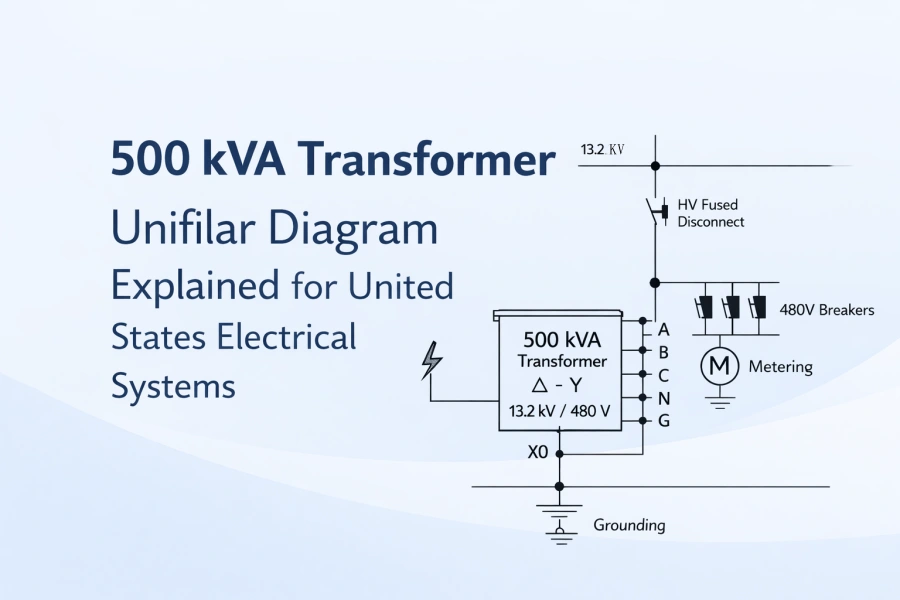
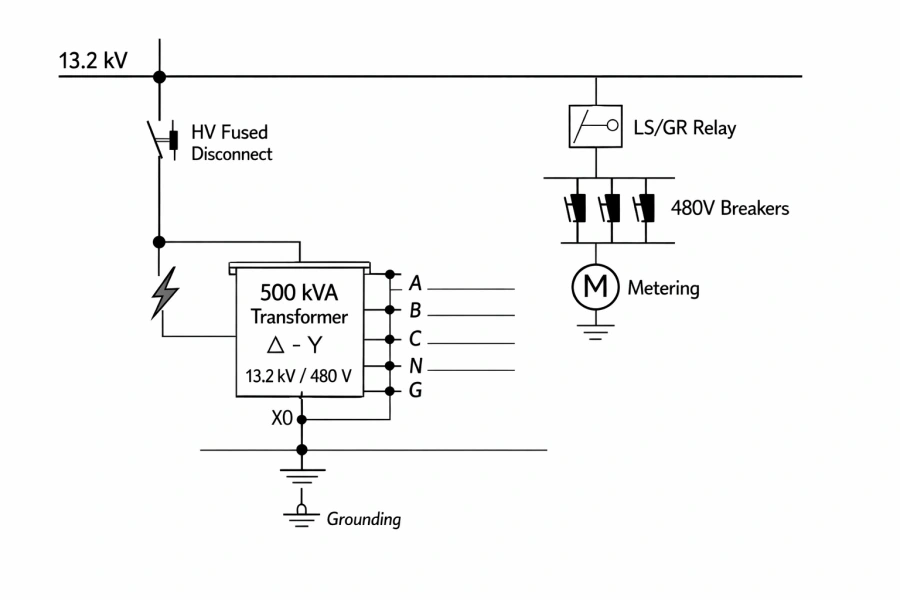
Для объектов, где требуется распределительный трансформатор мощностью 500 кВА, унифилярная схема дает упрощенный обзор электрической сети, включая питание среднего напряжения, подключение трансформаторов, защитные устройства, систему заземления и распределение низкого напряжения.
В США трансформаторы обычно устанавливаются в соответствии со стандартами эффективности ANSI, IEEE и DOE, а типичные конфигурации напряжения включают первичное напряжение 13,2 кВ / 12,47 кВ и вторичное напряжение 480Y/277V.
В этом руководстве объясняется, как устроена унифицированная схема трансформатора 500 кВА, какие компоненты в нее входят и как она используется в реальных коммерческих и промышленных энергосистемах.
Что такое унифилярная диаграмма в проектировании энергосистем
Унифилярная диаграмма - это упрощенное представление системы электроснабжения, в котором одна линия используется для обозначения трехфазных проводников.
Вместо того чтобы рисовать каждую отдельную фазу, диаграмма показывает функциональные связи между оборудованием.
Инженеры используют унифилярные диаграммы для:
Планирование электрических систем
Проектирование подстанций
Установка трансформатора
Координация защиты
Документация по техническому обслуживанию
Для трансформаторных установок обычно используется унифицированная схема:
Входящий фидер для коммунальных услуг
Средневольтное коммутационное оборудование
Мощность трансформатора и тип подключения
Устройства защиты от импульсных перенапряжений
Конфигурация заземления
Низковольтные распределительные щиты
Благодаря своей простоте унифилярная диаграмма является одним из самых важных документов в электротехническом проектировании.
Типичная конфигурация напряжения для трансформатора мощностью 500 кВА в США
В североамериканских дистрибьюторских сетях Трансформатор мощностью 500 кВА для установки на площадку обычно используется для понижения среднее напряжение от питающей сети до низкого напряжения для нагрузки здания.
Первичное напряжение (среднее напряжение)
К числу распространенных первичных напряжений относятся:
12,47 кВ
13,2 кВ
13,8 кВ
34,5 кВ
Эти напряжения обычно поступают от распределительная линия или фидер подстанции.
Вторичное напряжение (низкое напряжение)
Наиболее распространенной является вторичная конфигурация:
480Y / 277 В, трехфазный, четырехпроводной
Эта система позволяет:
480 V для двигателей, оборудования HVAC и промышленного оборудования
277 V для систем коммерческого освещения
Другие возможные вторичные напряжения включают:
208Y / 120 В
240 V
600 В (менее распространено в США)
Типовой тип подключения трансформатора 500 кВА
В большинстве распределительных трансформаторов, используемых в коммерческих зданиях, используется Соединение Delta-Wye (Δ-Y).
Преимущества конфигурации Delta-Wye
Обеспечивает стабильная нейтральная точка для заземления
Поддерживает трехфазные и однофазные нагрузки
Уменьшает воздействие гармоники
Повышает надежность системы
Заземленная нейтральная точка (X0) обеспечивает безопасное распределение Осветительные нагрузки 277 В и обеспечивает надлежащую защиту от сбоев.
Основные компоненты трансформатора мощностью 500 кВА Унифилярная диаграмма
Типичная однолинейная диаграмма для Трансформаторная установка мощностью 500 кВА включает в себя следующие компоненты.
1. Коммунальные сети среднего напряжения
Энергосистема начинается с подающий механизм, обычно между 12 кВ и 35 кВ.
2. Высоковольтный разъединитель
Это устройство позволяет операторам изолировать трансформатор для проведения технического обслуживания или аварийного отключения.
3. Ограничители перенапряжений
Ограничители перенапряжения защищают трансформатор от перенапряжения:
Удары молнии
Коммутационные перенапряжения
Переходное перенапряжение
4. Защита от высокого напряжения
Защитные устройства могут включать в себя:
Токоограничивающие предохранители
Выключатели нагрузки
Защитные реле
5. Трансформатор 500 кВА
Типовая спецификация:
Вместимость: 500 кВА
Первичное напряжение: 13,2 кВ
Вторичное напряжение: 480Y/277 V
Соединение: Delta-Wye
Частота: 60 Гц
6. Система заземления
Нейтральная точка трансформатора (X0) подключена к система заземляющих электродов, Обеспечение электробезопасности и защиты от сбоев.
Подробнее:500 кВА шаг вниз распределительный трансформатор 11kV 13.8kV 33kV к 400V 480V
7. Распределительный щит низкого напряжения
После трансформатора электроэнергия поступает в низковольтный распределительный щит или панель, Через которую распределяется электроэнергия:
Автоматические выключатели
Центры управления двигателями
Осветительные панели
Нагрузка на здание
Где обычно используются трансформаторы 500 кВА
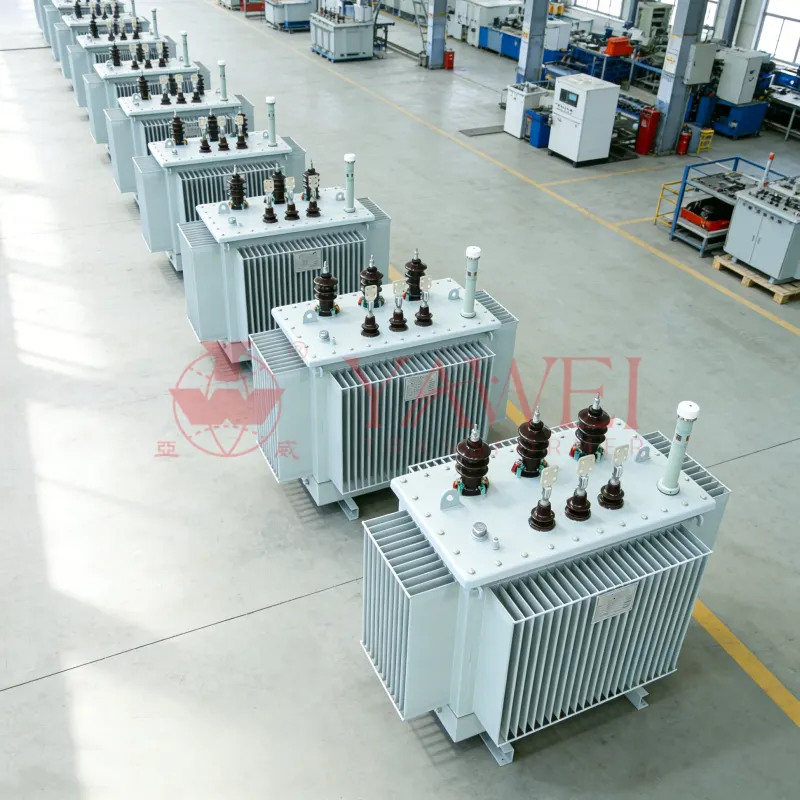
A Распределительный трансформатор 500 кВА широко используется в системах распределения электроэнергии среднего размера.
Коммерческие здания
Офисные комплексы
Отели
Торговые центры
Больницы
Промышленные объекты
Производственные предприятия
Склады
Предприятия пищевой промышленности
Инфраструктурные проекты
Коммунальные распределительные сети
Проекты в области возобновляемых источников энергии
Муниципальная инфраструктура
Благодаря своей сбалансированной мощности трансформатор 500 кВА обеспечивает эффективное распределение энергии без перегрузки системы.
Стандарты проектирования трансформаторов, используемых в США
Трансформаторы, устанавливаемые в Соединенных Штатах, должны соответствовать нескольким промышленным стандартам.
Основные стандарты
Серия ANSI C57
Стандарты трансформаторов IEEE
Требования Министерства энергетики к энергоэффективности
Технические характеристики трансформатора NEMA
Эти стандарты регулируют:
Уровни эффективности
Требования к изоляции
Процедуры тестирования
Показатели безопасности
Производители, экспортирующие продукцию на американский рынок, должны убедиться, что их трансформаторы соответствуют этим спецификациям.
Распределительные трансформаторы 500 кВА от Yawei Transformer
Трансформатор Yawei является профессиональным производителем, специализирующимся на производстве средневольтных и распределительных трансформаторов для международных рынков.
Наши решения в области трансформаторов включают в себя:
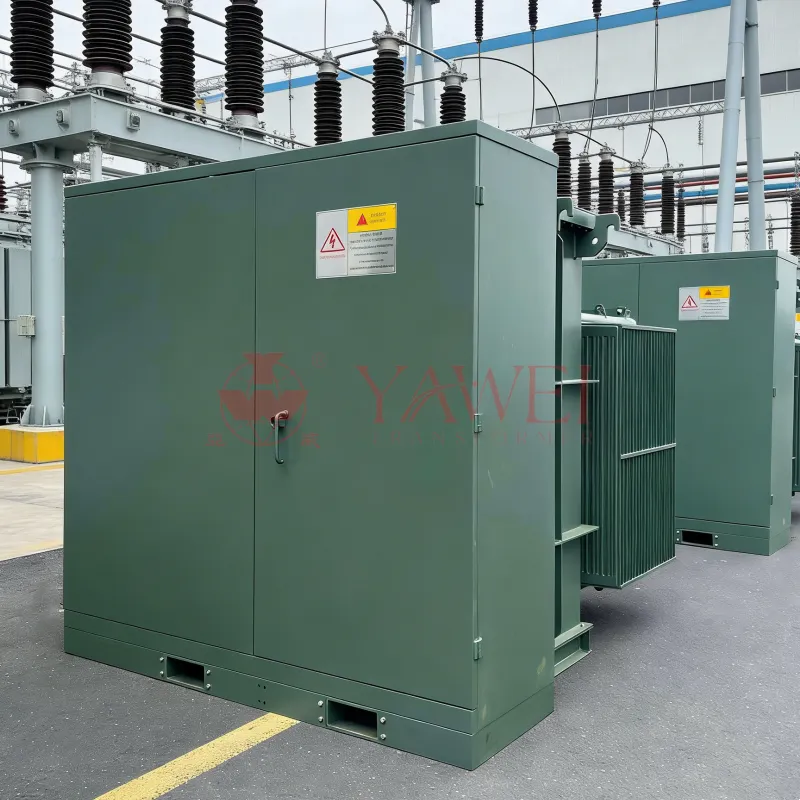
Трансформаторы мощностью 500 кВА, устанавливаемые на площадках
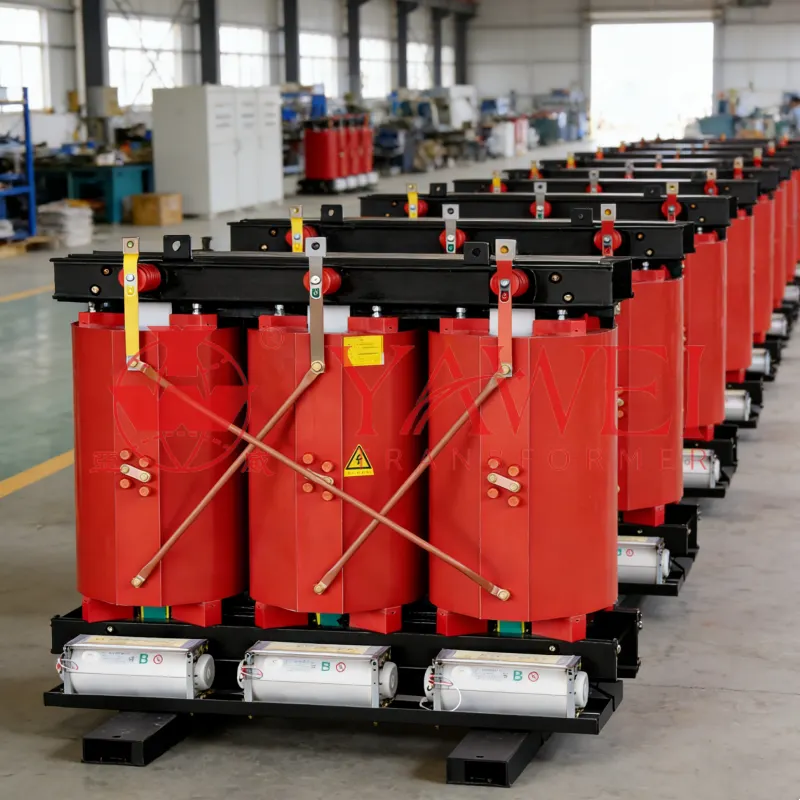
- Трансформатор сухого типа мощностью 500 кВА
нестандартные конфигурации напряжения
Типичные экспортные спецификации включают:
Первичное напряжение: 12,47 кВ / 13,2 кВ / 13,8 кВ / 34,5 кВ
Вторичное напряжение: 480Y/277V / 208Y/120V
Частота: 60 Гц
Тип охлаждения: ONAN
Стандарты: Эффективность ANSI / IEEE / DOE
Благодаря современным производственным мощностям и строгому контролю качества компания Yawei Transformer предлагает надежные трансформаторные решения для коммунальных служб, EPC-подрядчиков и промышленных энергетических проектов по всему миру.
Часто задаваемые вопросы (FAQ)
Что такое унифилярная диаграмма трансформатора?
Унифилярная схема трансформатора - это упрощенный электрический чертеж, представляющий трехфазную систему электроснабжения с помощью одной линии. На ней показаны соединения между трансформаторами, распределительными устройствами, устройствами защиты и нагрузками.
Какое напряжение характерно для трансформатора мощностью 500 кВА в США?
Типичные номиналы напряжения включают:
Основной: 12,47 кВ или 13,2 кВ
Вторичный: 480Y/277 V
Такая конфигурация широко используется в коммерческих и промышленных объектах.
Что означает "дельта-красный" в трансформаторе?
Дельта-Вай означает конфигурацию обмоток трансформатора, в которой первичная сторона использует дельта-соединение а на вторичной стороне используется соединение "волна" (звезда), обеспечивая заземленную нейтральную точку.
Является ли 500 кВА распространенным размером трансформатора?
Да. Трансформатор мощностью 500 кВА - это распространенный размер, используемый для средних коммерческих зданий, заводов и распределительных сетей.