









1. Introduction: Powering Bolivia’s Future
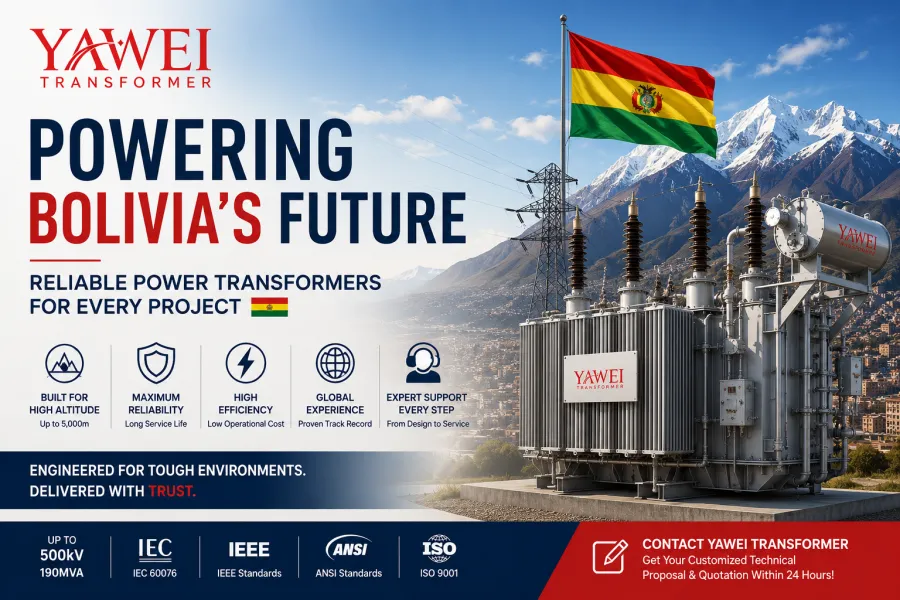
Bolivia is currently undergoing an ambitious energy transition, necessitating stable, high-efficiency power infrastructure from the rugged Andean peaks to the sprawling lowlands of Santa Cruz. For procurement professionals and EPC (Engineering, Procurement, and Construction) contractors, the challenge lies in identifying a partner capable of ensuring grid reliability under complex environmental and logistical constraints. This comprehensive guide provides an engineering-backed roadmap for selecting, testing, and transporting power transformers, ensuring your project meets the highest international standards required for modern utility infrastructure.
Bolivia’s economic trajectory is deeply intertwined with its ability to modernize its electrical grid. As the nation moves forward with its 2025 energy goals, the reliance on high-performance electrical equipment becomes paramount. Whether you are managing a 120MW utility-scale solar project or overseeing the expansion of a mining facility in the Andes, the technical specifications of your power transformers will determine the long-term operational success of your entire investment. The volatility of modern power demands, coupled with the unique geographic challenges of the Bolivian landscape, requires a meticulous approach to procurement.
2. Bolivia’s Energy Landscape: Engineering Context
Bolivia’s Energy Agenda 2025 mandates aggressive grid expansion and the integration of renewable energy. The transition requires a move away from legacy systems toward smarter, more resilient architectures.
Grid Complexity: Modern projects must bridge the gap between traditional hydro and thermal sources and new utility-scale solar photovoltaic (PV) plants.
Operational Demands: Transformers are no longer static assets; they must accommodate volatile loads typical of modern industrial manufacturing and high-demand data center server clusters.
Resilience Requirements: Recent infrastructure projects, such as the 115kV substation reconstruction in Puerto Rico designed for hurricane and high-wind resistance, demonstrate the critical need for disaster-resilient designs, a standard that is increasingly vital for specific Bolivian terrain.
Reliability Targets: Data centers and hyperscale facilities now require a minimum of 99.999% reliability, placing immense pressure on transformer thermal management and insulation systems.
3. Engineering Analysis: Technical Specifications
Procurement in Bolivia requires a specialized understanding of local environmental factors that often dictate the lifespan and efficiency of electrical assets.
3.1 High-Altitude Engineering (The Derating Factor)
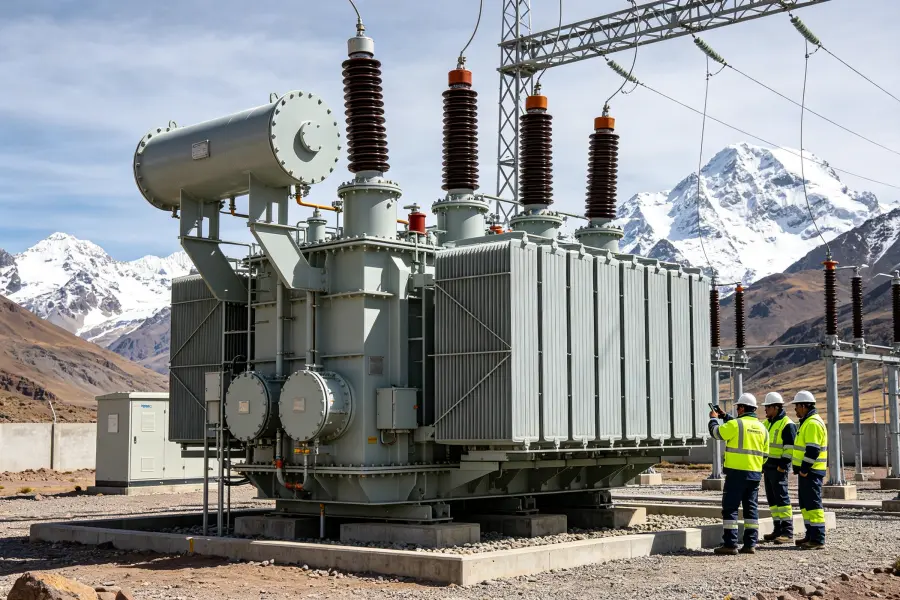
Bolivia’s geography, with major cities exceeding 3,000 meters, impacts performance significantly.
Air Density & Cooling: Lower air density reduces the dielectric strength of external insulation and diminishes natural air cooling (ONAN) efficiency.
Engineering Solution: Designers must utilize higher Basic Insulation Levels (BIL) and over-dimensioned radiators to compensate for these stressors.
Operational Impact: Failure to account for altitude-induced derating often results in premature insulation degradation.
Material Integrity: Bushings and radiators must be sized to manage the reduced heat dissipation rates found at high elevations.
3.2 Product Category & Technical Specification Matrix
| Product Category | Core Keywords (SEO) | Typical Capacity | Voltage Class | Technical Variants |
| Pad Mounted | Pad-mount, PMT, Compact Substation | 25kVA – 5MVA | 15kV – 35kV | Loop Feed, Dead-front, Seismic-hardened |
| Dry Type | Cast Resin, VPI, Air-cooled | 50kVA – 10MVA | 6.6kV – 33kV | Class F/H, IP54, Fire-retardant |
| High Voltage | Power Transformer, Substation | 5MVA – 500MVA+ | 66kV – 500kV | Oil-immersed, OLTC, Nitrogen-sealed |
| Pole Mounted | Overhead, Pole-type, CSP | 5kVA – 500kVA | 7.2kV – 24.9kV | Single-phase, High-altitude rated |
3.3 Deep Dive: Advanced Insulation & Dielectric Systems
In high-altitude environments like those found in the Bolivian Andes, the dielectric integrity of the transformer is of paramount importance. The combination of atmospheric pressure reduction and increased cosmic radiation at altitude creates a harsher operating environment for internal insulation.
3.3.1 Cellulose Insulation and Pressboard Optimization
For utility-scale projects (e.g., 50MVA and 80MVA units), standard cellulose paper is insufficient. We specify Thermally Upgraded Paper (TUP), which demonstrates superior resistance to thermal aging.
High-Density Pressboard: Used in critical zones (between windings and core-yoke), high-density pressboard is employed to provide both mechanical structural support during short-circuit events and enhanced dielectric strength.
Vacuum-Processed Insulation: All insulation systems undergo a rigorous Kerosene Vapor Phase Drying (VPD) process. This removes residual moisture from the cellulose structure to below 0.5% by weight, a critical threshold to prevent “bubble formation” during sudden overloads.
3.3.2 Dielectric Fluid Selection (Mineral vs. Ester Oils)
The choice of fluid is a balance between cooling, insulation, and environmental safety:
High-Grade Mineral Oil: The industry standard for large power transformers. It offers excellent heat transfer capabilities and dielectric strength. However, it requires a robust Nitrogen-Sealed Conservator system to prevent oxidation and moisture ingress.
Natural/Synthetic Esters: For urban sub-stations in La Paz or Santa Cruz, esters are recommended due to their high fire point (>300°C) and biodegradability. Their higher moisture tolerance is a distinct advantage in humid tropical lowlands.
3.3.3 Preventing Partial Discharge (PD)
Partial discharge is the “silent killer” of transformers. Our dielectric design focuses on:
Electric Field Grading: Using static shielding rings and calculated electrode geometry to eliminate “field concentration points” that trigger PD.
Impulse Testing Compliance: All designs are simulated using finite element analysis (FEA) to ensure they can withstand lightning impulses—critical for the high-altitude/low-density air environment.
3.3.4 Engineering Maintenance Strategy
To ensure the dielectric system remains effective for 30+ years:
DGA (Dissolved Gas Analysis): Mandatory quarterly monitoring of hydrogen, methane, and acetylene levels to detect internal arcing or overheating before a catastrophic failure occurs.
Moisture Content Monitoring: Continuous monitoring of the insulation’s moisture-in-oil saturation levels is recommended, especially for transformers located at high altitudes where the insulation system undergoes higher thermal stress.
4. The 7-Step Procurement Lifecycle
Step 1: Defining Technical Parameters
Technical specifications must explicitly define the following parameters to ensure system interoperability:
Voltage Levels: Projects must specify requirements ranging from 6kV up to 500kV.
Vector Groups: Dyn11 is the established industry standard for grid-tie applications.
Loss Levels: Adhering to the latest energy-efficiency standards, such as S13 or higher, is critical for project viability.
Step 2: Selecting a Reliable Manufacturer
Partner with manufacturers who demonstrate proven performance metrics:
Production Capability: Capacity for systems up to 500kV, essential for large-scale utility projects.
Certification: Full compliance with IEC 60076, IEEE, and ANSI/UL standards.
Scalability: Ability to handle bulk orders, such as the 23-unit shipments—including 80MVA, 150MVA, and 190MVA units—as documented in recent U.S. data center projects.
Step 3: Navigating Compliance
Always confirm whether the project is bound by IEC 60076 (international standard) or ANSI/IEEE (often preferred by North American-backed EPCs). Yawei Transformer maintains full compliance with these standards, providing the technical documents necessary for project approval.
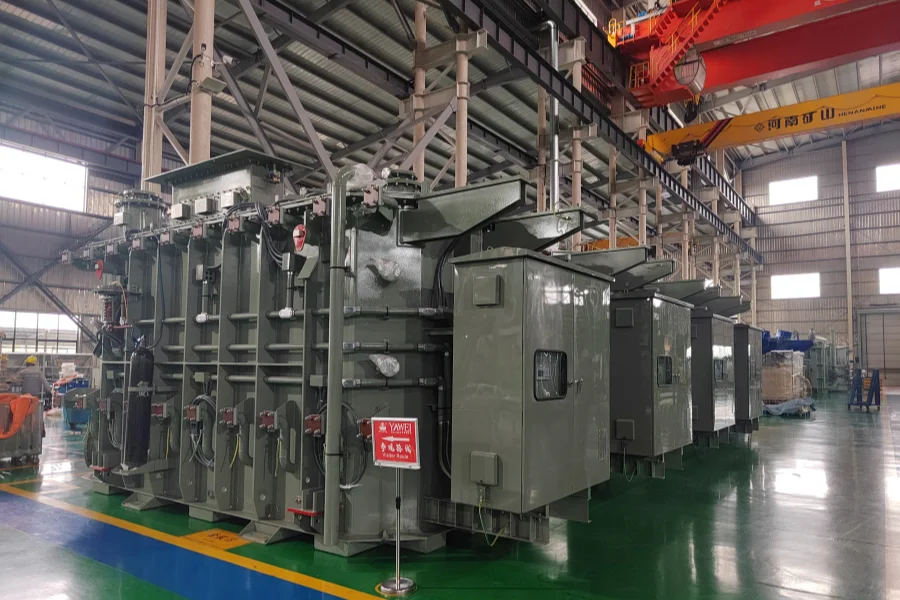
Step 4: Factory Acceptance Testing (FAT)
FAT serves as the final safeguard for project success:
Routine Tests: Ratio, insulation resistance, and dielectric loss (tan delta).
Short-Circuit Testing: Vital for transformers installed in seismic-prone zones like the Andean regions.
Documentation: Detailed test reports are required for regulatory approval in Bolivia.
Step 5: Logistics to Bolivia (The Landlocked Strategy)
Shipping massive units requires a sophisticated multi-modal strategy:
Route: Shipping through Chilean or Peruvian ports followed by inland mountain transport.
Monitoring: Use of impact recorders and shock indicators to monitor the integrity of the transformer throughout the transit.
Risk Mitigation: Ensuring that units are built to withstand the physical stress of traversing high-altitude mountain passes.
Step 6: Total Cost of Ownership (TCO) Analysis
Procurement must look beyond initial price to long-term efficiency.
Optimized magnetic core design significantly lowers long-term electricity consumption and reduces heat accumulation in the transformer oil, which is a major factor in extending the mean time between failures (MTBF) for assets in remote, hard-to-access locations.
Step 7: Commissioning and After-Sales Support
For remote Bolivian project sites, the vendor’s ability to provide on-site technical supervision—including commissioning, oil analysis, and vacuum filling—is as important as the hardware itself.
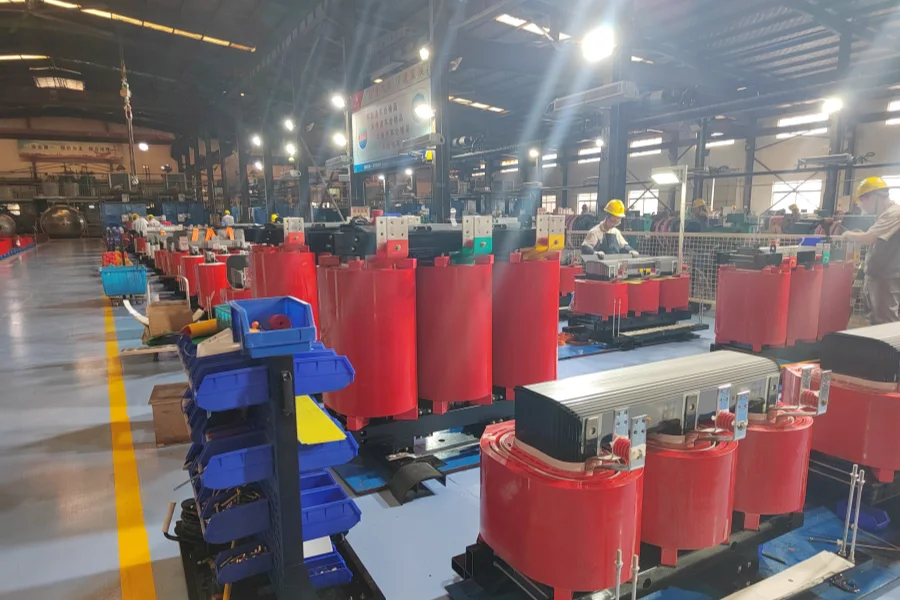
5. Case Study: 120MW Utility-Scale Solar PV Project
To illustrate the application of these standards, consider a 120MW utility-scale fishery-solar project. This project utilized 110kV and 35kV double-winding oil-immersed transformers (50MVA and 80MVA units). By applying the 7-step procurement lifecycle, the project achieved seamless grid interconnection and optimized thermal performance despite the complex environmental requirements of solar energy generation.
6. Why Yawei Transformer?
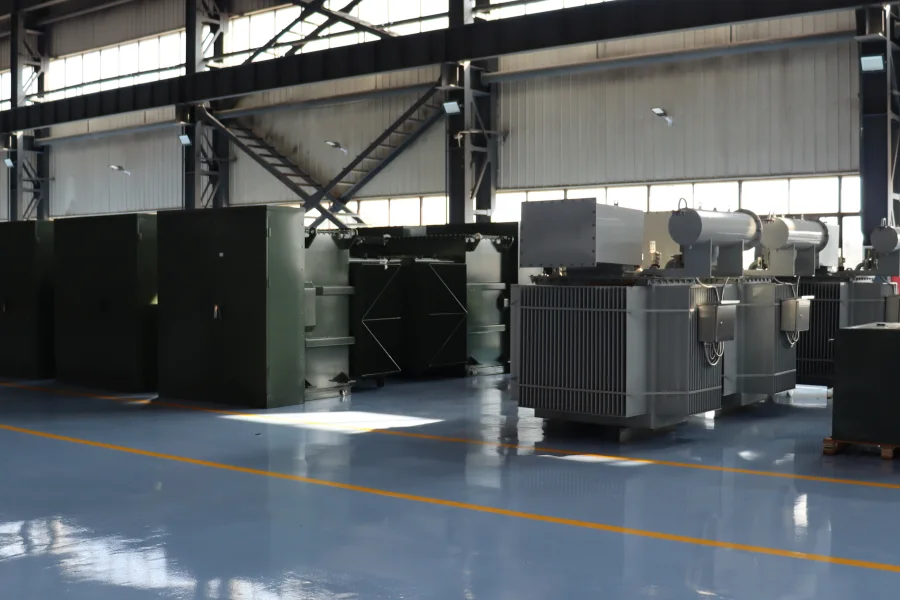
Yawei serves as a premier partner for global EPC contractors, offering:
Manufacturing Scale: Proven capacity to support 500kV manufacturing requirements.
Versatile Experience: Expertise ranging from data center infrastructure—addressing power demands for AI server clusters—to disaster-resilient 115kV substations.
Grid Focus: Strategic focus on grid-scale energy solutions and smart grid interconnection, essential for Bolivia’s power sector development.
7. Expert FAQ (2026 Edition)
Q: How does Yawei handle high-altitude derating?
A: We perform specific dielectric stress calculations to ensure units perform perfectly at high elevations.
Q: Can we conduct FAT remotely?
A: Yes, we offer live streaming of testing procedures for all our global clients to ensure transparency.
Q: How do you handle spare parts?
A: We provide a recommended spare parts list tailored to the expected lifespan of your equipment and remote location maintenance needs.
8. Call to Action: Secure Your Project
Avoid costly procurement delays and ensure grid stability for your next 120MW utility-scale project or mining expansion. Our engineering team provides custom solutions that meet both IEC and ANSI standards.
[Click here to contact Yawei Transformer for a customized technical proposal and quotation within 24 hours.]